
Proper maintenance and care of furniture locks-focusing on daily usage habits, cleaning methods, correct lubrication, and regular inspections-can significantly extend the lifespan of your locks and prevent unexpected issues such as jamming or mechanical failure.
Daily Cleaning and Care
Choosing the Right Tools: Use a dry, soft cloth to wipe dust from the surface of the lock body and handles. Never use damp cloths, steel wool, or stiff-bristled brushes, as these can cause metal to rust or scratch and corrode the protective plating.
Handling Stubborn Stains: For tougher stains, use a small amount of a neutral cleaning agent. Wipe the surface dry immediately afterward to prevent any liquid from seeping into the lock mechanism.
Addressing Oxidation Spots: "Spots" appearing on zinc alloy or brass locks are not rust; they can be removed by applying a cleaning wax. Do not attempt to scrub them off using harsh chemical solvents.
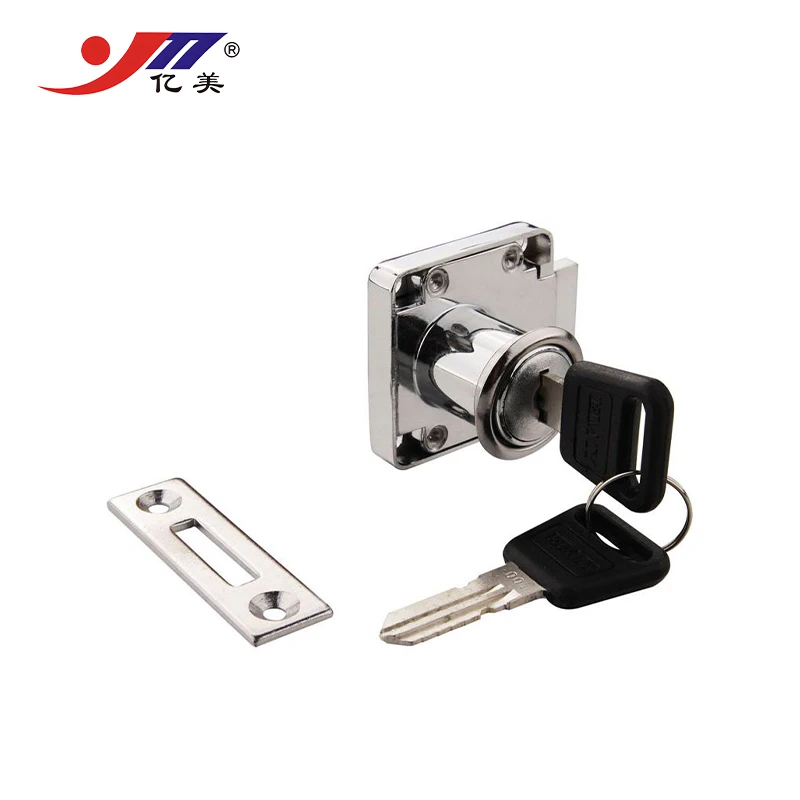
Proper Lubrication
Selecting the Right Lubricant: If a key is difficult to insert or turn, use graphite powder (you can simply crush the lead from a pencil) or a specialized silicone-based lubricant. Never use cooking oil or standard machine oil; these substances attract dust and will quickly cause the lock cylinder to seize up.
Lubrication Points and Frequency: Every 3–6 months, apply a small amount of paraffin wax or silicone-based lubricant to the latch bolt track and the handle's rotating axis. In humid or dusty environments, increase the frequency to once every 1–2 months.
Application Method: To lubricate the lock cylinder, apply a small amount of lubricant, then insert the key and turn it back and forth several times to ensure the lubricant is evenly distributed among the internal pins.