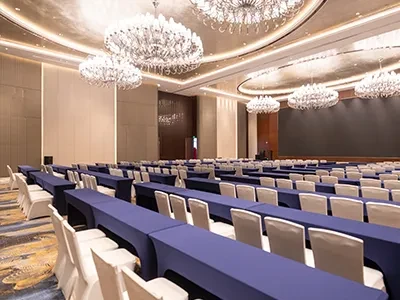
The core logic for selecting furniture hardware is to first align your choice with three key requirements: the environment, load-bearing capacity, and frequency of use. Next, verify the technical specifications, materials, and fine details. This approach helps you avoid the common pitfall of choosing based solely on appearance, ensuring that your hardware is both durable in the long term and perfectly suited to your space.
Three Key Selection Criteria
Environmental Suitability: For areas prone to high humidity, grease, or outdoor exposure, prioritize corrosion-resistant and rust-proof materials. For standard, dry indoor environments, reliable, durable, general-purpose hardware will suffice.
Load-Bearing Requirements: Use heavy-duty, thickened hardware for storage areas intended for heavy items. For lighter cabinet doors or display units, select hardware with appropriate load-bearing ratings to prevent deformation caused by long-term stress.
Frequency of Use: For commercial or public spaces with high-frequency usage, opt for high-durability, industrial-grade hardware. For residential areas with lower usage frequency, standard, high-quality hardware is sufficient.
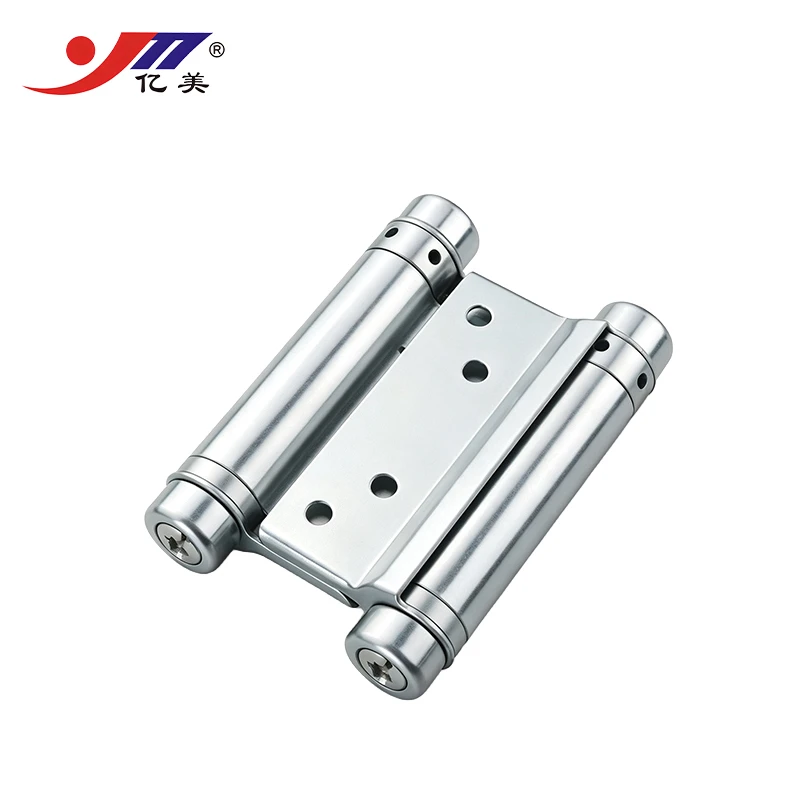
Targeted Selection Tips for Specific Settings
Kitchens (High Humidity & Grease): For hinges and drawer slides, prioritize 304 stainless steel-ideally with a galvanized or thickened matte finish-to resist corrosion from moisture and grease. For drawers holding heavy cookware, choose undermount soft-close slides with a load capacity of at least 35kg to ensure smooth operation even when fully loaded.
Bathrooms/Balconies (High Humidity): All exposed hardware should be made of 304 (or even 316) stainless steel; standard cold-rolled steel will rust rapidly in damp conditions. Use adjustable, waterproof cabinet legs to prevent the cabinet base from coming into direct contact with standing water on the floor.
Bedrooms/Living Rooms: For cabinet hinges, choose soft-close models with 3D adjustment to ensure quiet, safe operation over time. For a minimalist, handle-less look, incorporate push-to-open (rebound) mechanisms. For closet rods, select thickened aluminum alloy or stainless steel, ensuring each support bracket can hold at least 20kg.
For commercial display cases and retail store environments: Opt for a matte, frosted finish for exposed handles and hooks; this surface resists fingerprints and withstands frequent cleaning. For shelf supports, choose steel versions with reinforced mounting tabs-capable of bearing over 50kg per shelf without deformation. Whenever possible, source all hardware from a single brand to ensure consistent tolerances and prevent installation issues, such as misaligned mounting holes that would necessitate rework.
For warehousing and heavy-duty industrial applications: Ensure that connecting brackets and load-bearing hooks clearly specify the material thickness and grade. Prioritize high-strength materials, such as 65Mn (manganese) steel, to prevent deformation or fracture under long-term heavy loads. For moving or transmission components, select designs that incorporate ball bearings to ensure smooth, jam-free operation during intensive, high-frequency use.